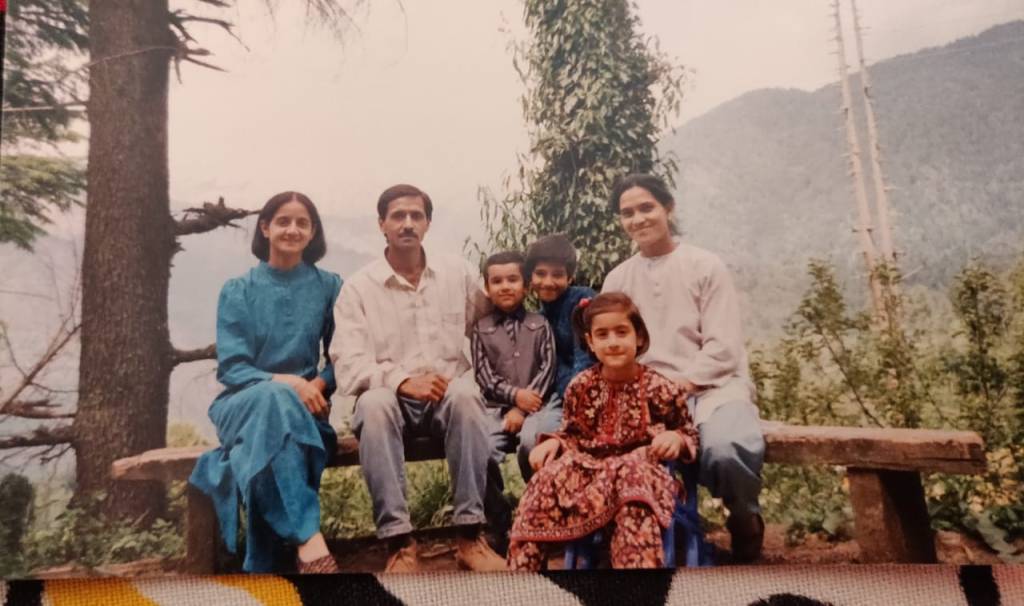
This year, I did a monthly food project called Cooking from Memory. It was my attempt to connect with my family history by recreating dishes from my own childhood and those that my family remembers from their lives. What I discovered was far more meaningful – that food is a powerful memory keeper.
Perfection was not the goal; I found that you don’t need to be a great chef or have the exact recipes. It was enough to try, and I focused more on the aspect of connection. Hence the name of the project, which accounted for foods that were remembered sometimes only through their taste, with all the imperfect strength of memory, and recreated via similar recipes found online or improvised through recollection. It was my first attempt at making many of these dishes, and I had the “authentic” recipes for only a few of them. The rest was trial and success, with the occasional error.

Connecting across time
Food is a sensory way to experience and honour your family history and those that came before, connecting across time. I loved making the Chocolate Vanilla Surprise Cake in memory of my masi, feeling connected with my paternal grandmother through her kachumbar gobhi and malpua, and thinking about my great-grandparents through bread pudding, guava stew and moong daal halwa.
It’s also a great way to connect with family in the present as you reminisce, ask questions, and prepare and eat dishes together. My nani and mom collaborated to make the (fried) roast chicken with potatoes; I made the guava stew and ajwain biscuits with my mom as well; my brother joined me in making aloo parathas and cucumber raita that we got to share with a friend; my dad dove into his childhood memories; and my tauji spent a long phone call with me sharing his mother’s recipes and stories of food from a land I’ve never known.
A project like this can also help you relive your childhood as you delve into your own memories involving food. Many of these foods came back to me as I thought about the different eras of my life, and the people and places associated with them – cake at birthday parties and from my aunt’s workplace, chicken for chickenpox, watching movies under the stars while eating egg pakoras, chocolate crunchies made by a dear lady, the wondrous smell of my mom’s biscuits, a hot lunch of chhole after a mountain trek.
Food and oral history
Asking your family about food they remember from their lives can be a great oral history topic. As I thought about my own life, and also asked my parents, grandmother, uncles and aunts about food that they love or once loved, we found that so many of these recipes had not been made or thought of in a long time. My mom hadn’t eaten guava stew since she was a teenager spending holidays with her grandparents. My dad had never told me about the things his mother used to cook. Traditions including food and recipes are lost if no one is making or talking about them.
And if you ask specific questions, food can bring up many other stories and details about people that you wouldn’t otherwise know. I had no idea that my tauji loved to cook and learned all my dadi’s recipes from her. I didn’t know that my nana’s favourite dessert was moong daal halwa. I found out through these enquiries that my great-grandparents, though tight on money, made sure their grandchildren had a Christmas feast even if they had to buy the food on credit. Though I didn’t get to make all of them yet, I learned about foods and recipes that were Indian, Multani and Anglo-Indian, recipes that were improvised for circumstances, dishes that were made for festivals and celebrations or simply weekends, all of which were closely intertwined with the people who made them.
I talked more about all of this with Sara Walker – who also includes food and recipes as part of her family history work – on episode 3 of our podcast, The Rewind.
Here’s how it went down each month:
January
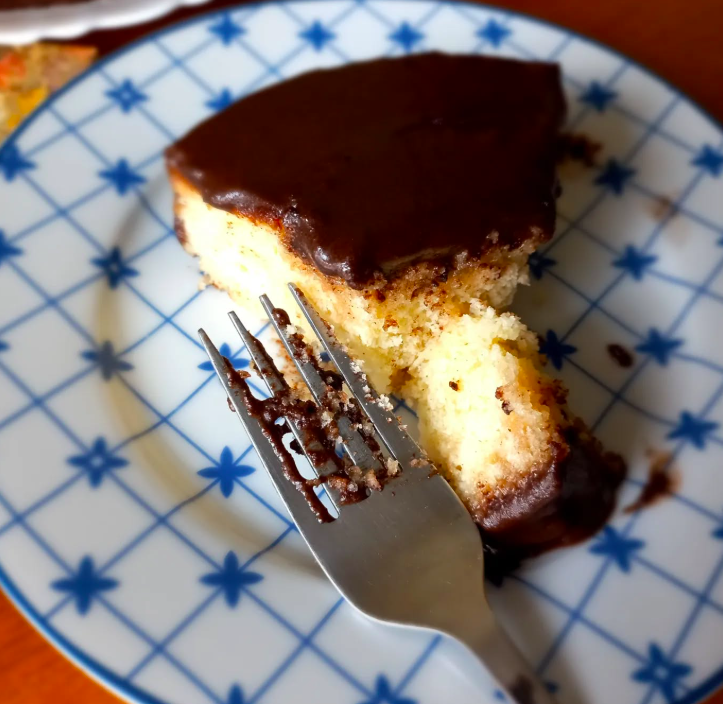
For the first edition, I wanted to bake a cake to honour my Ritu masi, to whom we had recently and very sadly bid farewell. I remember her bringing it to one of our family birthdays (maybe my dad’s?), and I called it the Chocolate Vanilla Surprise Cake, because 6/7-year-old-me was kind of disappointed when what she thought was a chocolate cake turned out to be white inside – until I ate it and couldn’t get enough.
I only had this cake a couple of times, until three years ago, I suddenly remembered it again and asked masi about it. She said it was a simple sponge or pound cake coated in chocolate icing. Sometimes the simplest things are the best. In the same conversation, she said that baking had been lifesaving for her. She certainly did love it (helps if you’re also amazing at it). A few months later, she gifted me some beautiful baking tins and vintage recipe books. I’m nowhere as good at baking, but I’ll keep trying.
February
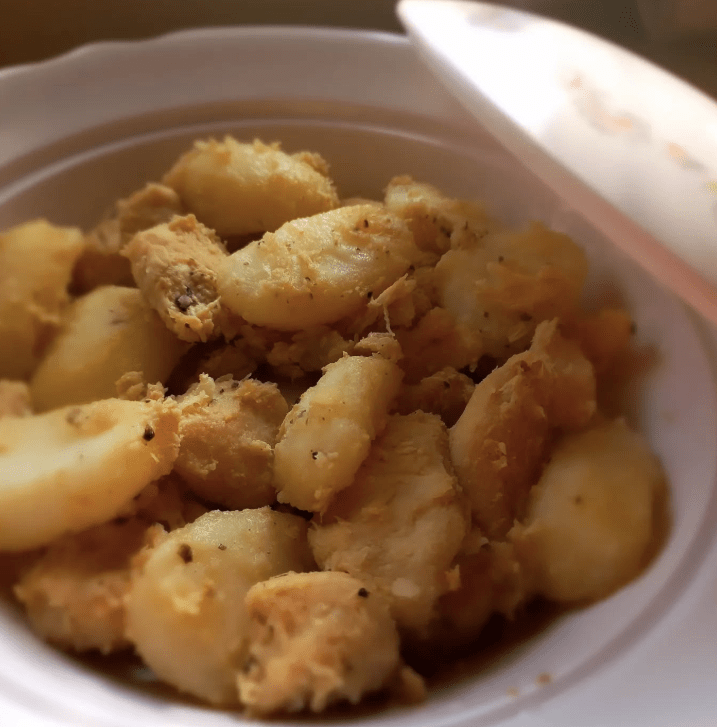
I love this dish that my nani used to make when I was younger. We know it as “roast chicken” but it doesn’t involve an oven, and comes together with chicken, potatoes, oil, salt and pepper in a deep pan. We don’t know its origin; nani thinks she replicated a dish that her parents’ cooks used to make.
We didn’t have a recipe and it’s been so long, but between my mom cooking, nani supervising, and me stirring, it tasted just like I remember it! My strongest memory of eating it was when I was 13 and afflicted by a bad case of chickenpox. Nani was in Delhi at the time and made this chicken for me and sent it over, and I was so happy even though I couldn’t taste anything at all because of a high fever. I think I didn’t even have an appetite, but I sure ate this.
March
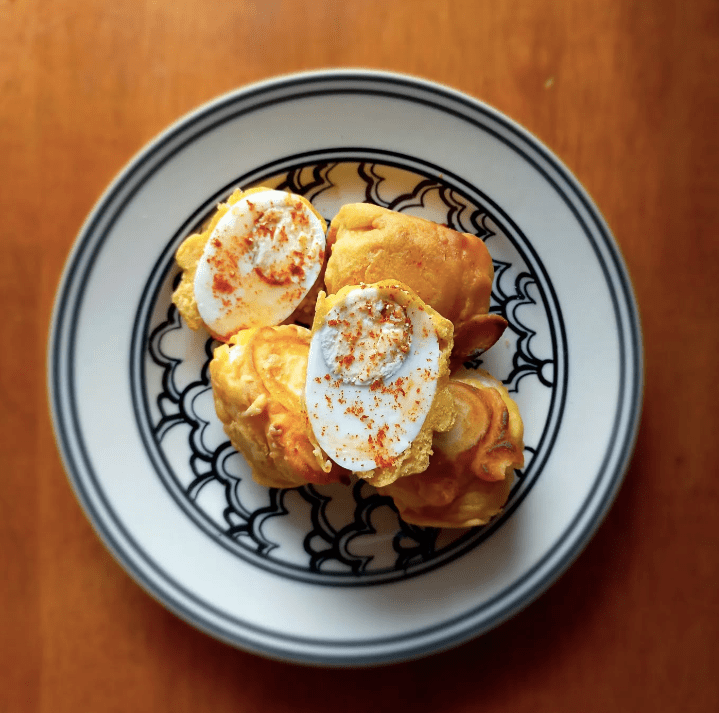
I was 8 when we spent a year in Chennai. Life felt slower there, and I realise I remember a lot of events from that time in terms of food: the paneer at the seaside hotel we stayed at until we rented an apartment; the dry fried daal we got at our neighbours’ homes during the Navratra doll festival; the kind aunty upstairs who periodically sent us the cutest, softest idlis; the classmate who brought chocolate sandwiches for lunch that were often stolen (I guarded them when we became friends); and, when we went to watch outdoor film screenings – involving animated cats, I think – at the Madras Gymkhana, these pakodas made with whole boiled eggs, my favourite.
April
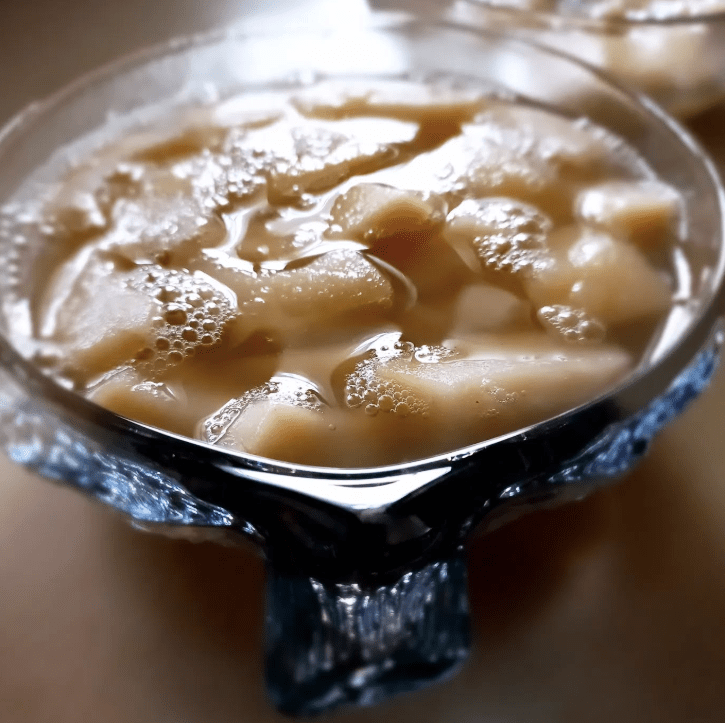
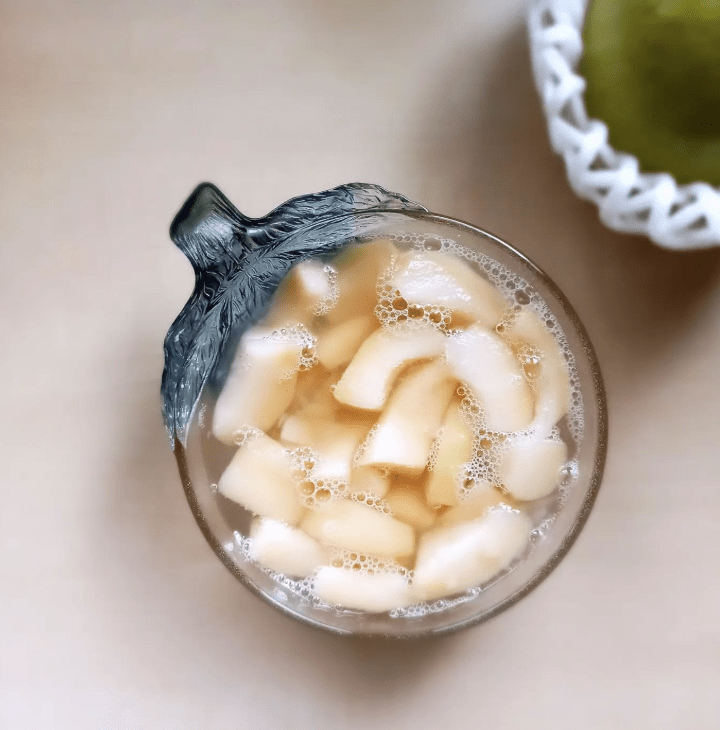
My mother’s memory of eating guava stew with cream at her grandparents’ home in Chunar was the inspiration for April’s selection. There were all manner of trees in the garden at their home, Clare Villa – papaya, lime, sweet lime, jamun, custard apple, pomegranate, tamarind – as I learned from various letters. The stew is sweet and guava-y, flavoured with cinnamon, served warm and especially lovely with vanilla ice cream.
May
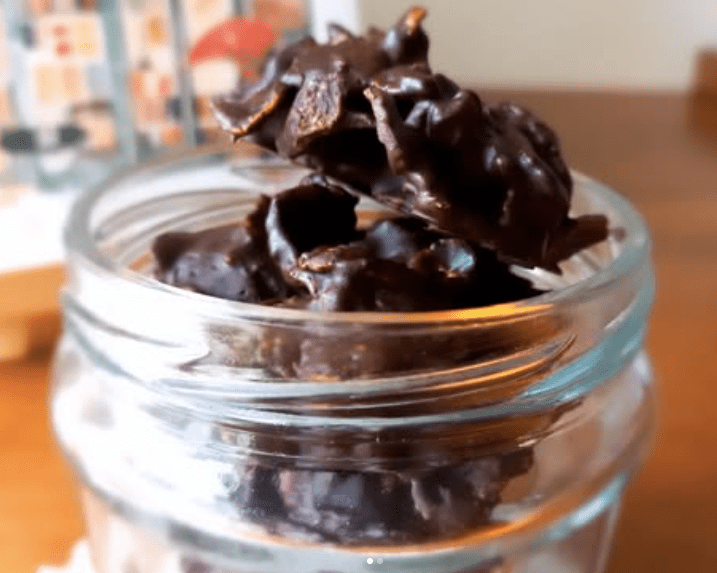
As I searched my memory for more dishes for this project, up floated the taste of chocolate crunchies eaten at the home of my grandfather’s mami! I couldn’t remember anything else about her, but I remember these because they were divine and she made them herself and she said they were simple, “they were made from cornflakes”. I was fascinated. Who knew cornflakes could do that?
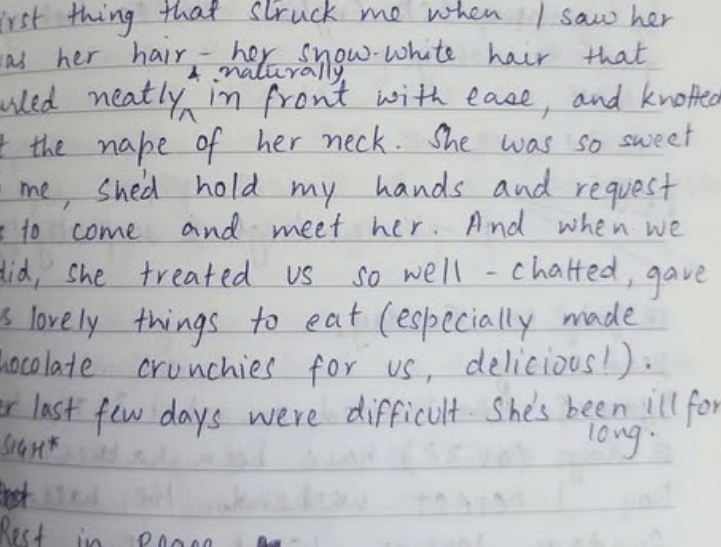
I was asked my parents if they remembered the crunchies, and they didn’t, but they said Savitri mami was great with food and even held cooking classes. And then I found a little journal entry that I wrote about her shortly after she passed away in 2008. I didn’t remember any of these details anymore – her snow white hair with the front curl, her kindness, her friendly chatter; nothing but the chocolate cornflake confections on a lovely afternoon.
June
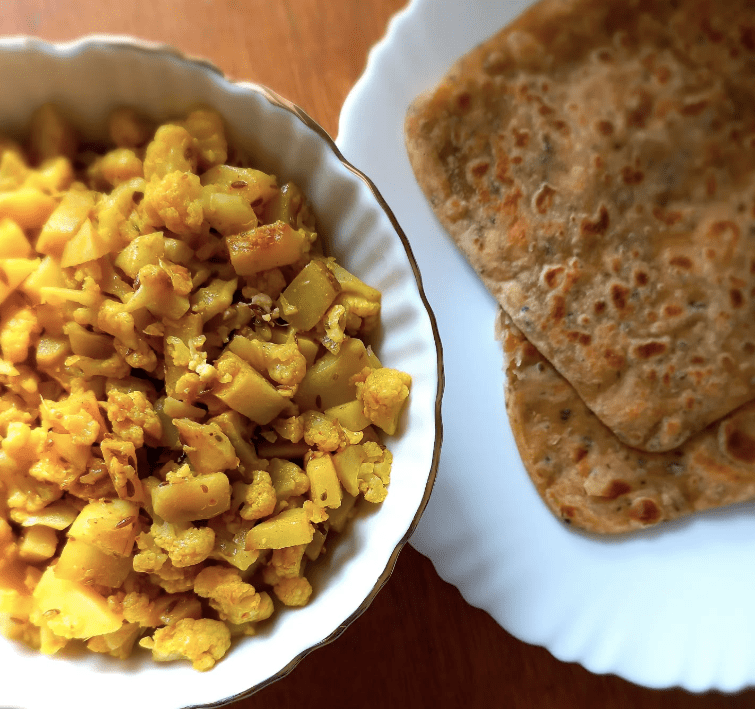
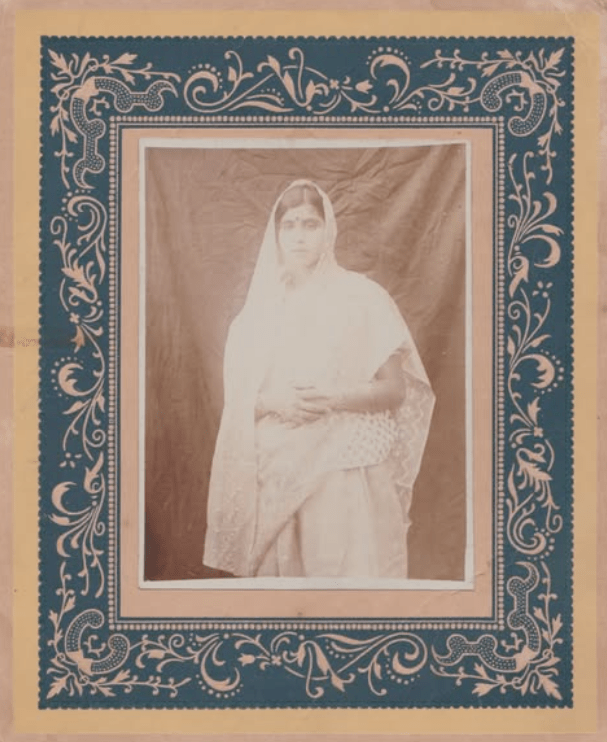
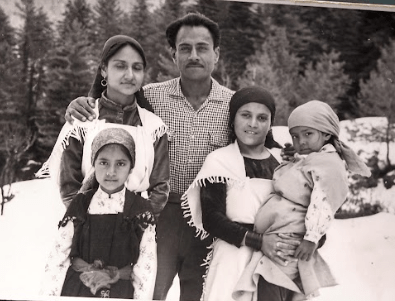
I never got to meet my dada-dadi, so I’ve been keen to incorporate some of their dishes into this project. I asked my dad and his siblings for ideas and memories, and one dish that was mentioned tickled my memory – of a summer bus journey to my maternal grandparents, eating finely-cut cauliflower with parathas cooked by my mom. It was only thanks to this project that I found out that this was a favourite recipe of my dadi’s that my mom had heard about and replicated.
I set about getting the “authentic” recipe, the way dadi used to make it, and was pointed to my tauji, her second son, who I have just learned is an amazing cook. He relayed the recipe to me over the phone, calling the dish “kachumbar gobi” – finely chopped potato and cauliflower cooked in spices over a slow flame. I think ajwain is the star of this dish for me. Halfway through the project, it felt like this recipe brought together two family lines, connecting the imagined home of my dada-dadi to the remembered home of my nana-nani.
July
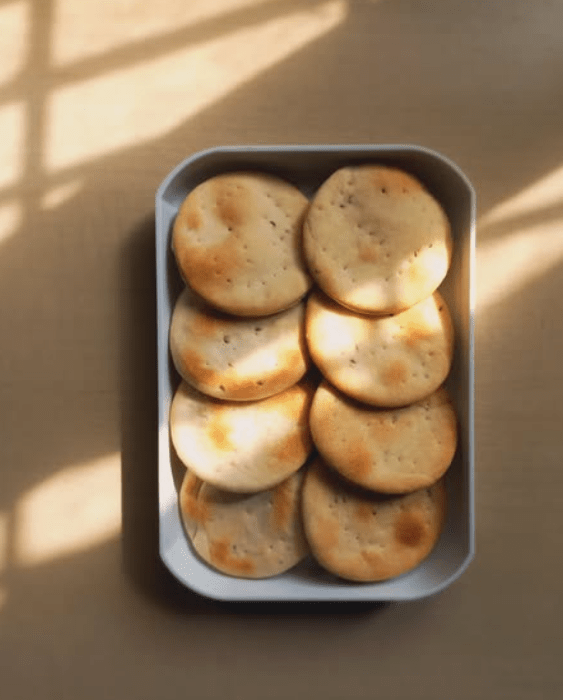
In the late 1960s, my grandparents moved to a remote region of the Himalayas, and that’s where my mom spent some of her early years before going to boarding school. There were no shops nearby, so snacks were hard to get and they used ingredients such as flour and oil rather conservatively. These flour biscuits (with ajwain again!) were easy to make and didn’t require too much of anything.
A makeshift oven was used – there was no electricity yet. It was made of aluminium and attached to the giant wood-burning stove that was the central feature of the kitchen, where I burnt my hand a little bit during one summer visit, running around recklessly. My nani had her hands occupied with making butter, with which she proceeded to anoint the burns. I guess it worked fine.
I remember mom making these biscuits a couple times after I was in existence. I was very little, but I recall the flat circles on a tray, smelling so amazing when they were done. We recreated them and it felt like such a peaceful process.
August
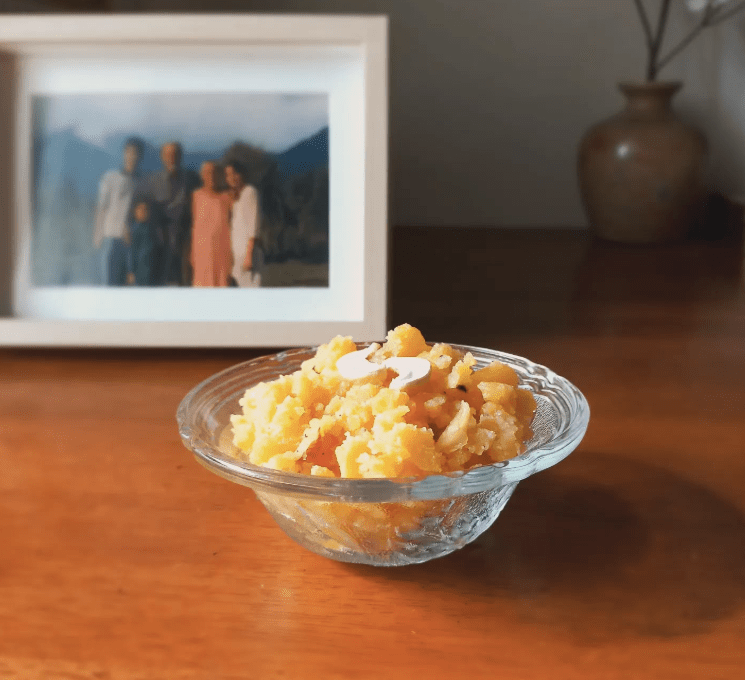
My mom remembered that her father used to love moong daal halwa, but it wasn’t made often at their house. It was most likely my great-grandmother who made it. It was certainly my first time, and the feedback wasn’t great. Oh well. I tried. I used a recipe I found online, but I think I needed to soak the daal a bit more or something. I’ve probably only eaten this halwa once in my life, so it didn’t matter as much to me. I ended up eating it all!
September
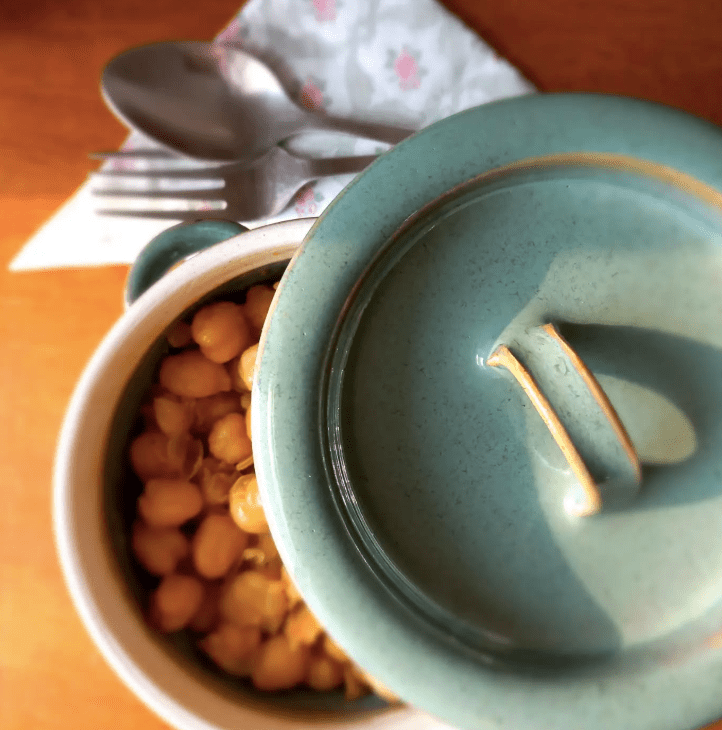
I made two dishes for September because I was travelling for most of the month and wanted my bases covered. Kabuli channas (chickpeas) are one of my favourites, and have been made by many in my family, but my strongest association with them is from the summers we would hike up three hours to my grandparents’ mountain home. My mama-mami live there too, and we’d stop at their home for a rest and a hot, comforting lunch, and it would always be steaming channe-chawal.
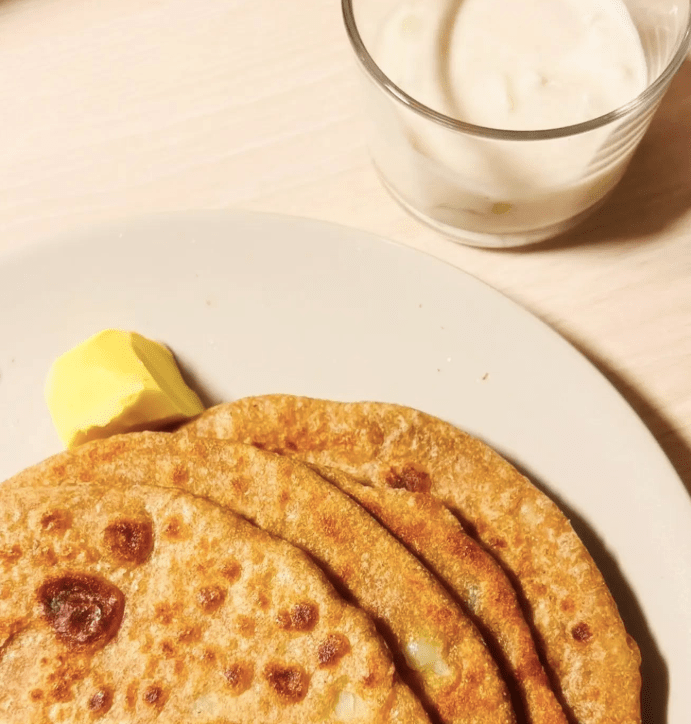
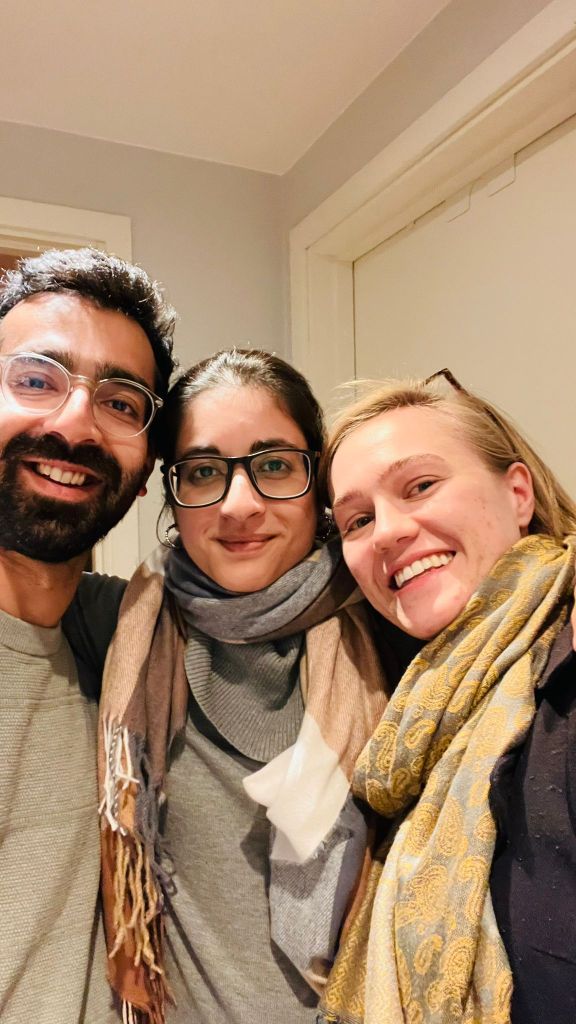
Since I was visiting my brother, I thought it might be nice to make something he remembers or is nostalgic about. He chose aloo parathas, but there was no profound story there (“I remember eating them”). Both my parents make these really well. We tried finding atta in Oslo and got the wrong flour, and then better flour, and improvised a rolling pin, but they came out pretty well, all in all. Special thank you to Maria for providing good conversation, trusting our cooking skills and sharing a meal with us. Yay for new friends!
October
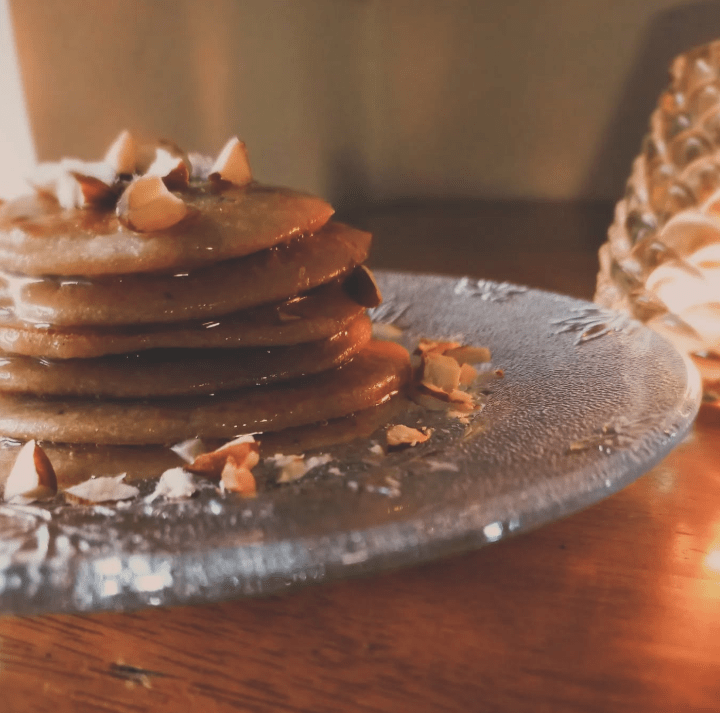
My dadi, I’ve heard, made sweets for festivals, weddings and special occasions. One of these was malpua, which resembles miniature pancakes, flavoured with cardamom and drenched in sugar syrup. It’s often made for Holi and Diwali, but I think this was the first time I’d eaten it. I shared it with my family for Diwali the next day, but it’s best eaten hot and freshly made.
November
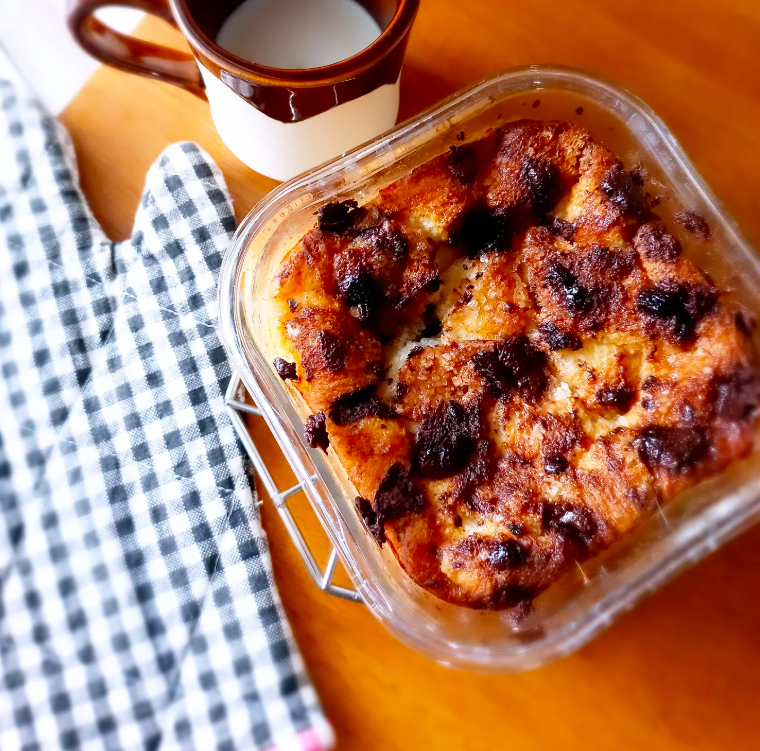
When we moved back to Delhi in 1999, we stayed with my great-grandparents for a bit, in the biggest house I’ve probably ever stayed at. The meals were simple, and there was fruit after lunch – but dessert after dinner. I’ve always been a dessert person, so this was probably my favourite time of the day. There was usually kheer or sevai, but one time, there arrived a large tray of bread pudding. It was the first time I’d ever tried it. (Mom says it was a weekly occurence.) Many visits followed, and continue to, but I don’t think I’ve had bread pudding there again. I added some cinnamon and dark chocolate that I bought in Lithuania to mine, and enjoyed all the “pretty smells”.
December
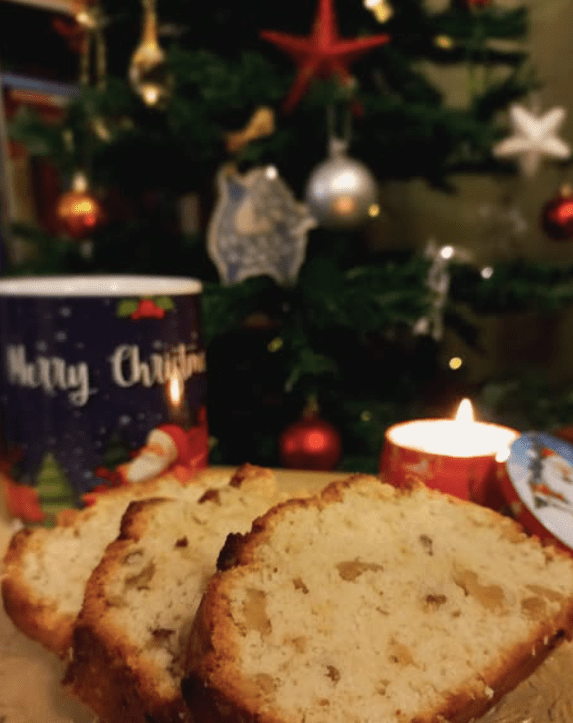
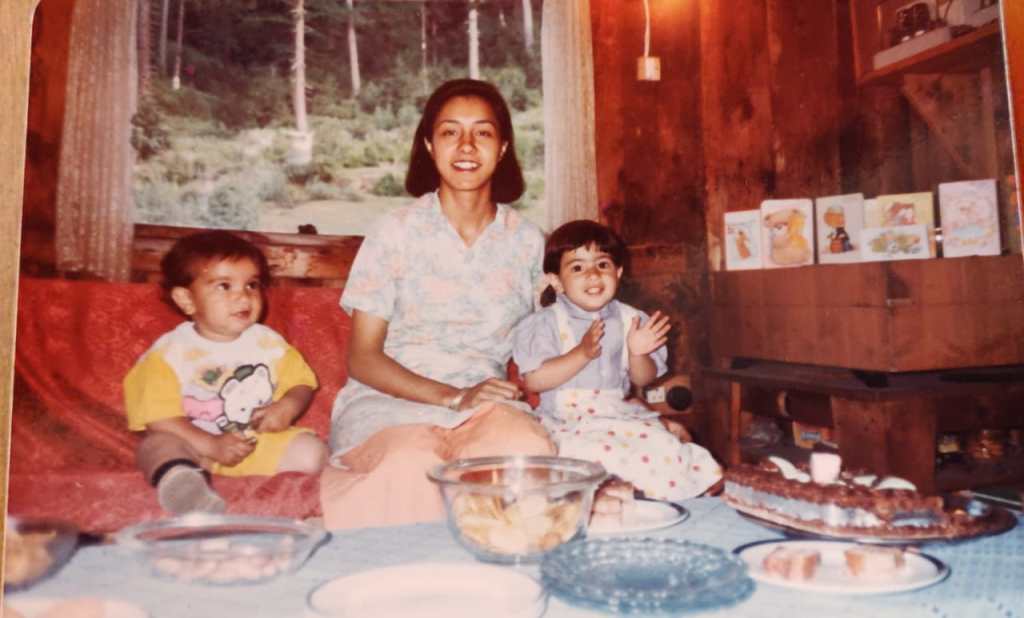
For the last iteration, I chose an early childhood memory. My Sonya masi used to work at the Taj Hotel, and would bring us a divine walnut loaf cake wrapped in colourful translucent paper from the Taj bakery every time she visited us. Then one sad day, they changed the recipe and there were no more walnuts in the cake. I wasn’t even 5 years old but I can still taste my disappointment. I tried baking my favourite childhood cake, and though probably not quite like the one I vaguely remember, it was pretty darn good, if I say so myself. I shared it with Sonya masi, as well as my nani and mama for Christmas. Talk about coming full circle!
Onward
While my project for 2024 has now come to a close, I will take what I learned into my future research which, I’m certain, will only be enriched by it. There are still many recipes on the list that I didn’t try making, which will get their turn in due course. There were some recipes I did make that could use some improvement; and there were many favourites that I hope to make again and again until they are impossible to forget.
Commission me to write your family’s stories.
Sign up for my family history newsletter.
Follow me on Instagram.

 Kriti Bajaj
Leave a comment